The essentials (starting with what actually matters)
Start with why and who before worrying about what
Podcasts don’t succeed because of gear. They succeed because of clarity. If you have not formally planned your idea yet, go to strategynavigator.ai and do it. (There’s a free trial.)
Before you spend time (or money) on equipment, get grounded in a few fundamentals:
Who is this really for?
Be specific. Who are you serving, and what problem are you helping them think through every time they hit play?
What’s your point of view?
It’s a crowded space. Your edge isn’t production quality—it’s perspective. The story you’re telling and the lens you bring are what make the show worth subscribing to.
How will you define “working”?
At 3, 6, and 12 months, what matters most—engagement, leads, bookings, credibility? Decide that before you record your first episode.
That strategic foundation ends up shaping everything else, from gear choices to distribution and repurposing. A lot of this thinking is pulled directly from these two frameworks, which I consider required reading:
👉 Podcasting With Purpose (top strategic guide)
https://emanuelrose.com/podcasting-with-purpose/
👉 Podcast Creation Framework (end-to-end execution)
https://emanuelrose.com/podcast-creation/
🎧 Audio comes first. Always.
If there’s one place not to cut corners, it’s sound. Audio quality is trust.
Top mic recommendation (the one you shared):
👉 Dynamic Podcast Mic – Amazon
https://a.co/d/epyP6pR
This mic is a strong choice for professional-sounding audio, especially if you’re recording at home or in an office. Dynamic mics like this help reject background noise and give your voice warmth and clarity.
Pair it with:
- A USB/XLR audio interface (clean signal, fewer issues)
- Closed-back headphones so you can hear problems in real time or Wired Earbuds without Microphone-https://a.co/d/fsvfWcz
People will forgive average video. They won’t stick around for bad audio.
🪑 Your recording environment matters more than you think
You don’t need a studio—but you do need control.
Soft surfaces, basic acoustic panels or even blankets, and a room with minimal echo will do more for your sound than buying a more expensive mic. Environment beats hardware every time.
💻 Software and workflow (where efficiency really shows up)
For recording, reliability matters:
For editing:
Top workflow recommendation:
👉 My Choice -FluentFrame (transcription + editing + repurposing)
https://fluentframe.ai/
Transcribe → edit faster → clip → distribute everywhere.
This is where you reclaim time. One recording turns into transcripts, clips, and publish-ready assets without multiplying effort. Other options below:
📺 Video is not optional
If you’re planning to post to YouTube or short-form platforms, video is worth it.
You don’t need cinematic quality:
- A clean 1080p webcam or simple mirrorless camera
- Soft, flattering lighting (ring light or softboxes)
The goal isn’t perfection. It’s intentional visibility.
🧠 Process beats perfection
Treat each episode like a small product:
- Start with a clear outline
- Open with a strong hook and value promise
- Stick to one core idea
- End with a CTA that supports your actual goals
This comes straight from the Podcasting With Purpose mindset:
Podcasts aren’t diaries. They’re focused conversations with people you want to influence.
📈 Distribution is where podcasts win or lose
You can make a great show and still go unnoticed if you stop at publishing.
Think in terms of repurposing:
- Full episodes → short clips for LinkedIn, YouTube Shorts, TikTok
- Show notes → blog posts
- Transcripts → SEO lift
- Quotes → carousel posts
The podcast becomes the hub. Everything else becomes the spokes that help people discover it. This is a core idea in the
👉 https://emanuelrose.com/podcast-creation/ framework.
People don’t just listen anymore—they find you in pieces first.
📊 What to actually measure
Downloads alone don’t tell the story. Track:
- Engagement (drop-offs, replays, comments)
- Leads (signups, bookings, replies)
- Conversions (how episodes influence real conversations)
- Cross-platform distribution velocity
If you can’t see impact, you can’t improve it.
A simple, confidence-building starter setup
Top picks you referenced:
- 👉 Dynamic podcast mic: https://a.co/d/epyP6pR
- Audio interface
- Boom arm + pop filter
- Quality headphones
Pair that with:
- Reliable recording software
- 👉 FluentFrame for editing + repurposing: https://fluentframe.ai/
- 👉 A clear show strategy using Emanuel Rose’s frameworks
That’s more than enough to launch well—and grow with intention.
Final thought
The best podcasts aren’t content plays.
They’re commitments to an audience.
When you treat each episode like a real conversation with people you want to help—and distribute it deliberately—you’re not just publishing audio.
You’re building trust.
And trust compounds.
Start with why and who before worrying about what
Podcasts don’t succeed because of gear.
They succeed because of clarity.
Before you spend time (or money) on equipment, get grounded in a few fundamentals:
Who is this really for?
Be specific. Who are you serving, and what problem are you helping them think through every time they hit play?
What’s your point of view?
It’s a crowded space. Your edge isn’t production quality—it’s perspective. The story you’re telling and the lens you bring are what make the show worth subscribing to.
How will you define “working”?
At 3, 6, and 12 months, what matters most—engagement, leads, bookings, credibility? Decide that before you record your first episode.
That strategic foundation ends up shaping everything else, from gear choices to distribution and repurposing. A lot of this thinking is pulled directly from these two frameworks, which I consider required reading:
👉 Podcasting With Purpose (top strategic guide)
https://emanuelrose.com/podcasting-with-purpose/
Skytex Softbox Lighting Kit(3Pack)-https://a.co/d/di9Y0el
OBSBOT Meet 2-4K Webcam for PC with 1/2″ Sensor, AI Framing & Autofocus,-https://a.co/d/a2EPgms
USB Microphone-https://a.co/d/6QwCOmi
Monitors Earphones Headphones Wired Earbuds without Microphone-https://a.co/d/fsvfWcz
https://emanuelrose.com/podcasting-with-purpose/
https://emanuelrose.com/podcast-creation/
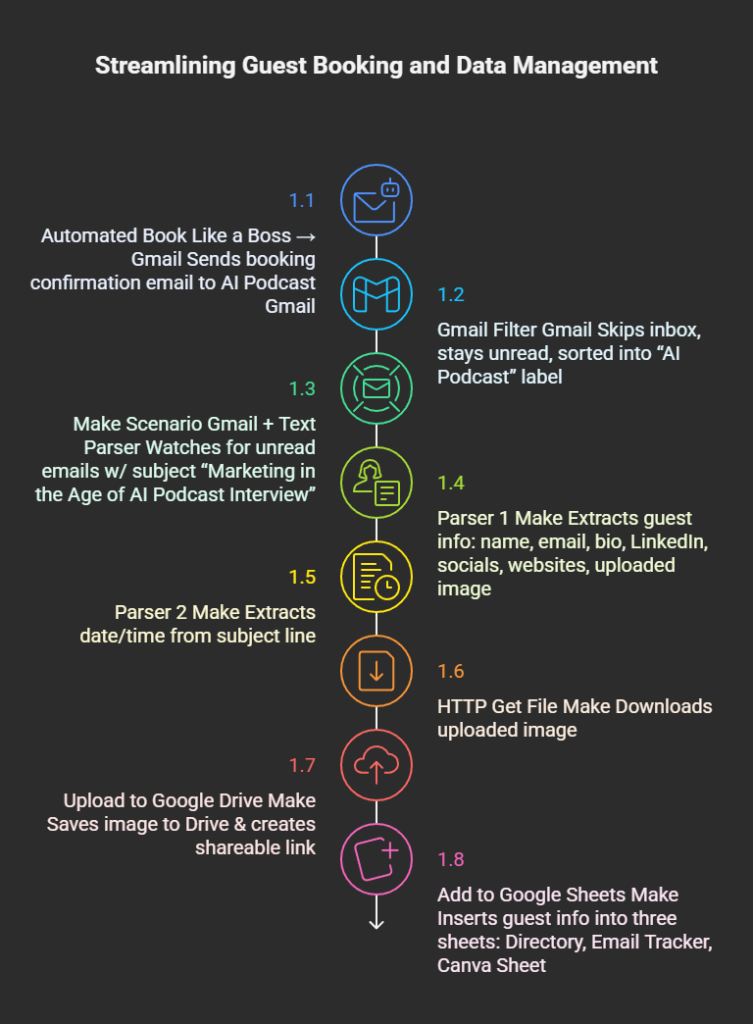
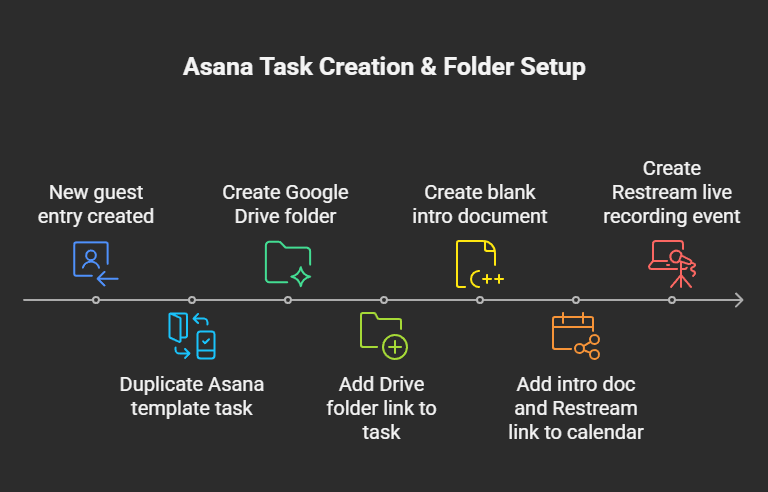
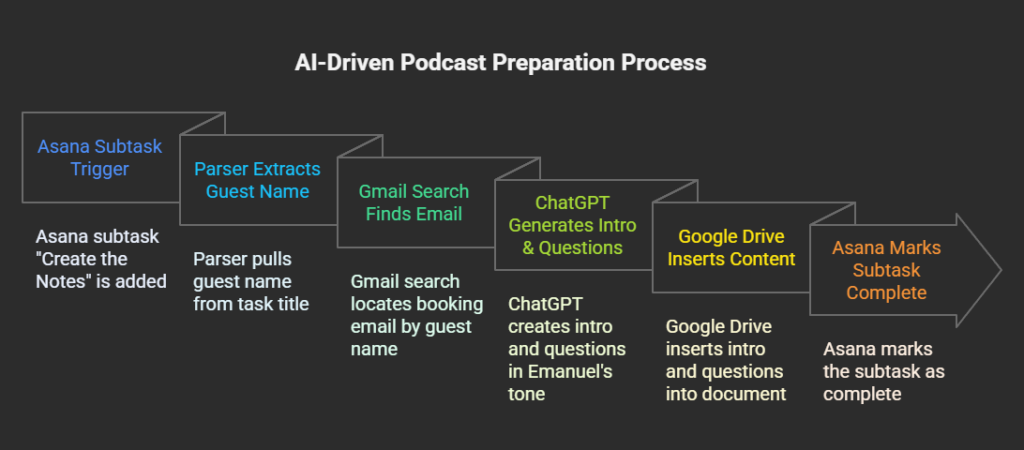
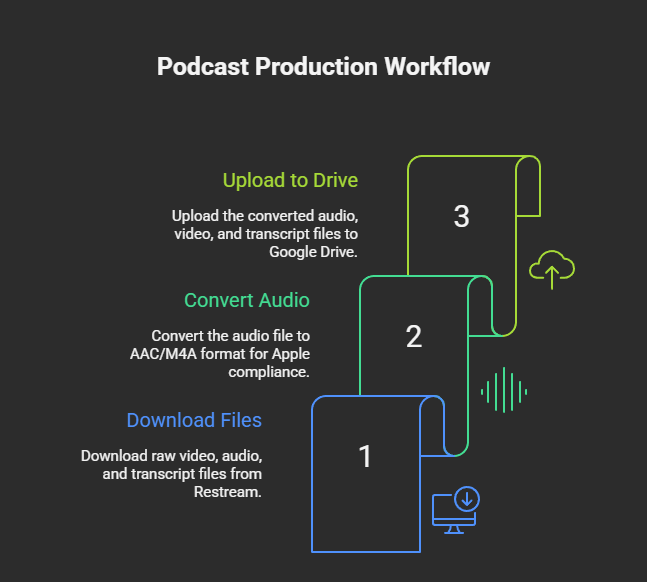
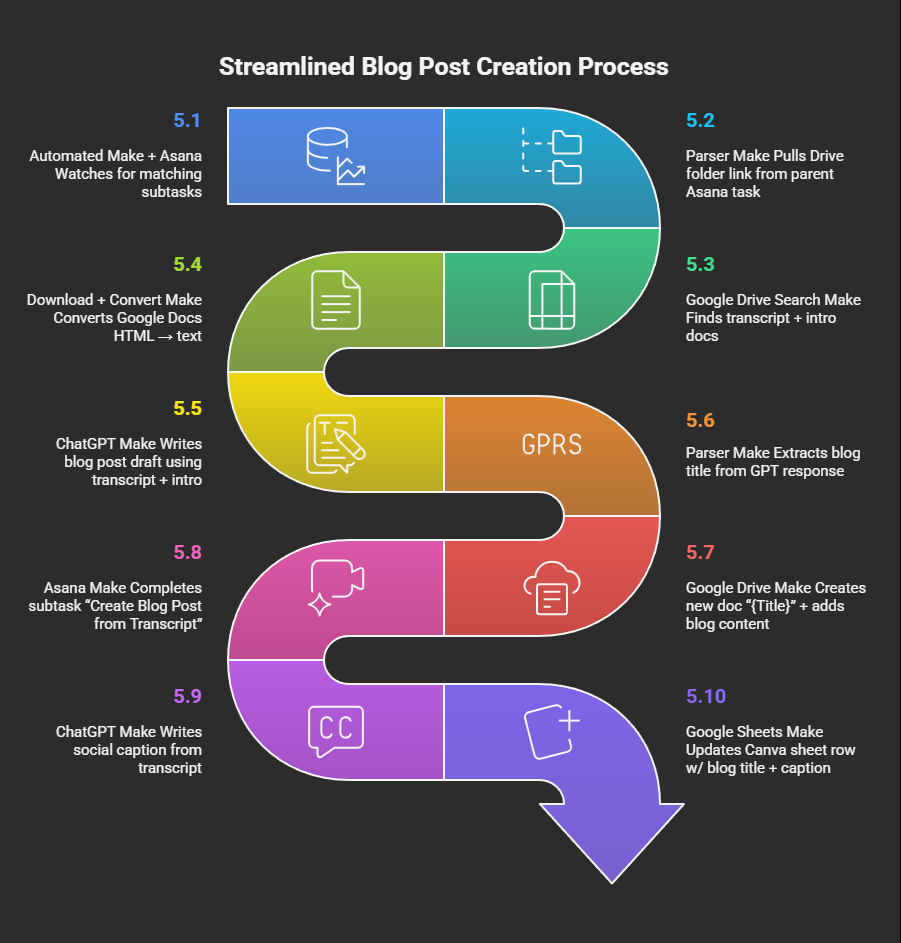
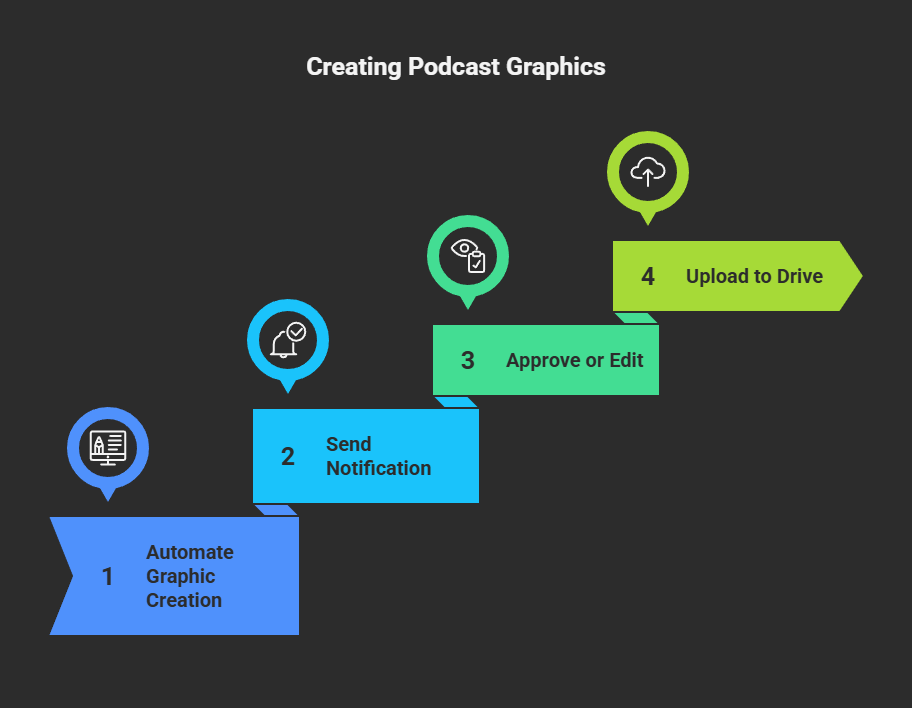
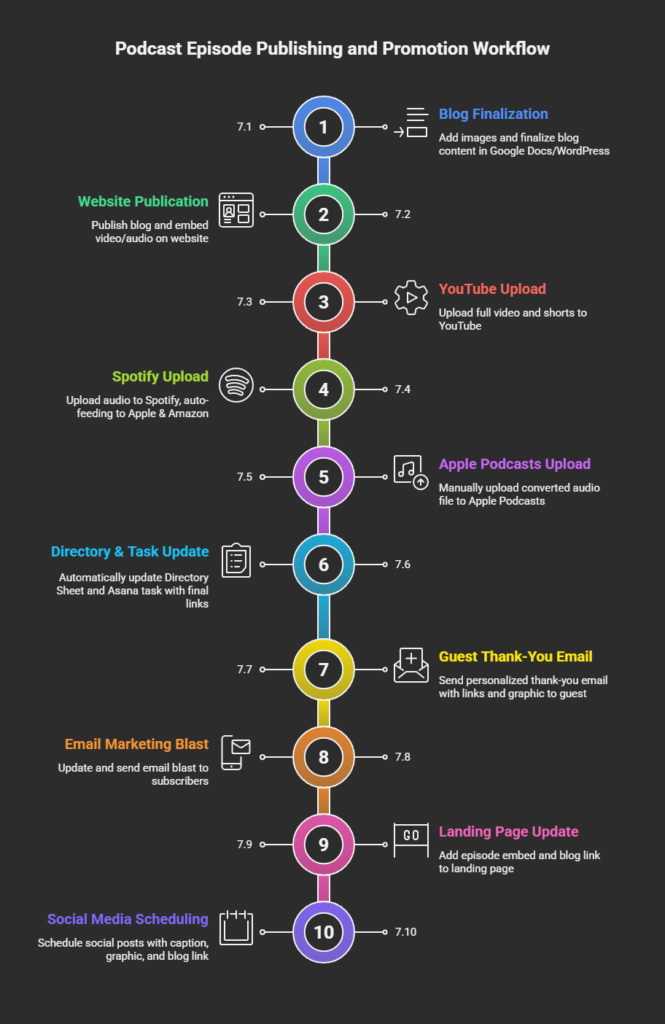
The entire process from guest signup to publishing is a bit more complicated and is represented in these images.
You don’t have to follow this process, but I recommend creating a standard operating procedure (SOP) so you can remember all the tasks and eventually train someone to help you. I recommend this tool for SOP creation-https://strategicsop.com/