
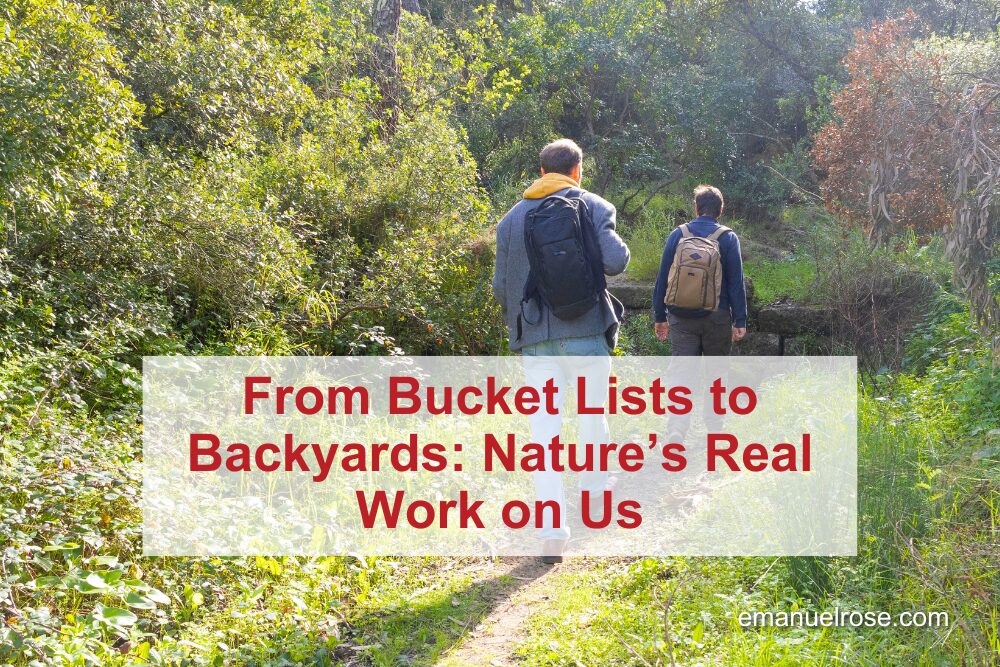
Adventure is less about where you go and more about how deeply you pay attention. When you trade checklists for curiosity, the woods, rivers, and even your neighborhood trail become a daily practice in presence, humility, and belonging.
- Shift every outing from “getting somewhere” to “walking toward” a place so you notice more and rush less.
- Use what you already love—skiing, guitars, cooking, birding—as your bridge into new landscapes and communities.
- Treat small, local explorations like serious expeditions: pick a nearby creek confluence, hidden trail, or urban park and get to know it in detail.
- Ask yourself on every trip, “What am I really after here?” to move beyond escape and toward growth and connection.
- Let micro-adventures (a riverbank sit, a slow mile in the woods, smelling trees) be legitimate ways to reset your nervous system.
- Travel and time outside with an ethic of reciprocity: look for ways your presence can support place, people, and future generations.
- Aim to come back just 1% more aware, grateful, or grounded after every encounter with nature.
The Small Trail Method: A 6-Step Nature-to-Growth Loop
Step 1:
Start with your real life, not a fantasy itinerary. Notice the constraints you actually have—limited vacation days, family schedules, a specific town you call home—and decide that growth will happen inside those boundaries, not after they disappear. This reframes your “little farm” of life as a laboratory instead of a limitation.
Step 2:
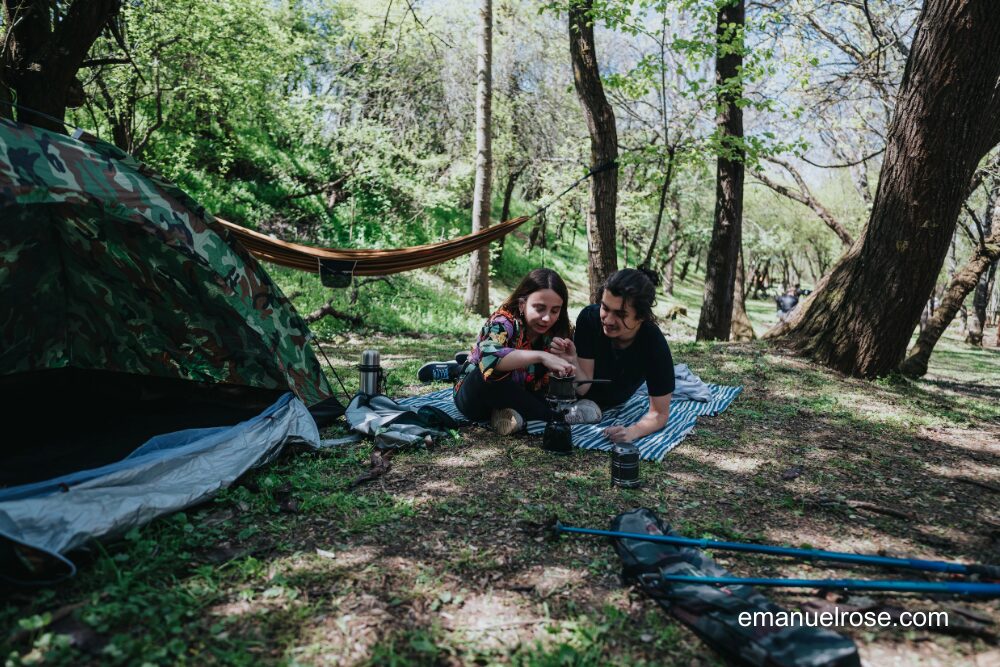
Pick one simple, repeatable contact point with nature: a riverside path, a local hill, a neighborhood loop. Commit to showing up there often enough that you begin to see it in different seasons, weather, and moods. Frequent contact is what turns a place from a backdrop into a teacher.
Step 3:
Bring one passion with you as a bridge. Maybe it’s skiing, photography, sketching, birding, playing guitar in the hotel room, or even cigar conversations in a new city. Shared interests crack open conversations and reveal the human side of any landscape.
Step 4:
Slow down on purpose. Trade the urge to “bag” the trail, peak, or run for the discipline of stopping: to watch a mushroom community on a log, smell the vanilla of a ponderosa, or sit by a confluence and wonder where each drop of water has been. Slowness is where awe can appear.
Step 5:
Ask one grounding question while you’re out there: “What is this place showing me about how I’m living?” Let the answer be small—1% shifts, not total reinvention. Maybe it’s a nudge toward more local engagement, better rest, or simply more curiosity in your own town.
Step 6:
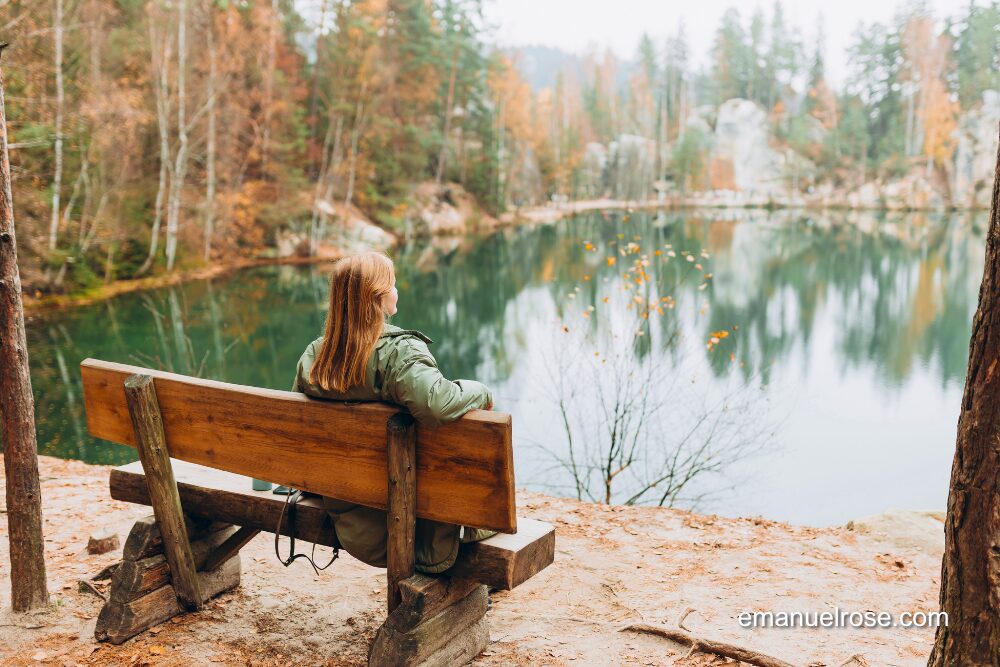
Return differently on purpose. When you come back from a ski day, a river float, or a walk along the Deschutes, translate one insight into a concrete action: supporting a local business, joining a trail or hiking group, or carving out tech-free time with your kids. The loop closes when experience outside reshapes behavior inside.
From Bucket Lists to Belonging: A Practical Comparison
Approach | Core Motivation | Typical Experience | Deeper Outcome |
|---|---|---|---|
Bucket-List Adventure Travel | Collecting big, impressive experiences before “it’s too late.” | Rushed itineraries, lots of movement, strong stories, but little time to digest. | Memories without much integration; place is a stage, not a relationship. |
Local Micro-Adventures | Making the most of the “little farm” you already live on. | Short walks, river sits, nearby trails and hidden corners are explored slowly. | Deep familiarity, lowered stress, and a genuine sense of belonging to your home ground. |
Passion-Led Travel & Time Outside | Using what you already love (skiing, music, craft) as a bridge to others. | Shared activities with locals, conversations that go beyond sightseeing. | Cross-cultural connection, humility, and a stronger sense of belonging to a larger human family. |
Questions to Turn Any Landscape into a Teacher
How do I turn a routine walk or ski day into something that actually changes me?
Go out with one clear inner question in mind, like “What is this place asking of me right now?” As you move, let the details you notice—light on the river, the sound of skis on snow, a new fungus on a stump—inform your answer. The goal is to come home with one small behavioral shift, not just a photo.
What can I do if I crave adventure but only have tiny windows of free time?
Shrink the radius, not the intention. Choose a nearby trail, creek, or park and approach it like a foreign country: study a map, find confluences, learn plant names, and notice how it changes month to month. Consistent micro-adventures create the same nervous-system reset and perspective shift as bigger trips, just in shorter doses.
How can I feel less like a consumer of places and more like a participant?
Before you go anywhere—across town or across the globe—ask, “How can my presence support this place and its people?” That might mean choosing local guides, small restaurants, or trail work and stewardship groups. When you lean into reciprocity, the relationship moves from extraction to mutual respect.
What if I feel stuck because my home doesn’t seem as “epic” as other destinations?
Trade comparison for cultivation. See your home as that “little plot of Earth” you’ve been given, and get busy experimenting with it: new routes, seasonal rituals, ways to get your family or neighbors outside. As your intimacy with local rivers, trees, and trails grows, so does your sense that you’re exactly where you’re meant to be.
How does paying attention to small things in nature actually help my mental health?
Focusing on details—a pine’s scent, the texture of river rocks, the way two waterways meet—pulls you out of rumination and into direct experience. That kind of sensory attention calms the nervous system and interrupts anxiety loops, while reinforcing a felt sense of belonging to something larger than your to-do list.
Author: Emanuel Rose, Senior Marketing Executive, Strategic eMarketing
Contact: https://www.linkedin.com/in/b2b-leadgeneration/
Last updated:
- Insights from Tim Neville’s decades of outdoor storytelling for publications such as Outside Magazine and his work with Visit Bend.
- Nature-as-practice themes are reflected in the “Seven Principles of the Magic Rock” by Emanuel Rose.
- Field-proven ideas about micro-adventures and local exploration were shared during the Nature Bound conversation with Tim Neville.
- Practical reflections on curiosity-led travel and community-based tourism are evident in Bend’s destination storytelling approach.
- Personal field experience integrating daily outdoor time, journaling, and mindful attention to sensory detail.
About Strategic eMarketing: Strategic eMarketing helps mission-driven organizations and outdoor-oriented brands clarify their message, attract aligned audiences, and turn authentic stories into measurable growth.
https://strategicemarketing.com/about
https://www.linkedin.com/company/strategic-emarketing
https://podcasts.apple.com/us/podcast/nature-bound-with-emanuel-rose/id1741980361
https://open.spotify.com/show/6v7x8XOUfUQDdAlloCoo0h
https://www.youtube.com/channel/UC7Ax4n0g6_Y4SJRlC470wEg
Guest Spotlight
Guest: Tim Neville
Role: Lead Storyteller, Visit Bend; Contributing Editor, Outside Magazine
LinkedIn: https://www.linkedin.com/in/tim-n-5237687/
Email: tim@visitbend.com
Podcast: Nature Bound with Emanuel Rose – conversation recorded Friday, February 20, 2026, at 12:15 PM PST (America/Los_Angeles).
Bio: Tim Neville has built a career at the intersection of adventure and storytelling, from hiking on every continent and becoming one of the first Westerners to ski in North Korea to spending 82 hours in total darkness to explore the therapeutic pull of the void. Now he channels that global experience into telling the ongoing story of Bend, Oregon—its trails, rivers, peaks, and the people who call it home—while continuing to wander through the woods and stand atop high ridgelines whenever he can.
About the Host
Emanuel Rose is an outdoor-focused marketer, the author of “The Seven Principles of the Magic Rock,” and the host of the Nature Bound Podcast, where he explores how time spent outside shapes leadership, creativity, and mental health. Connect with him on LinkedIn: https://www.linkedin.com/in/b2b-leadgeneration/.
Trailhead to Transformation: Putting These Ideas to Work Now
Choose one nearby place—river, park, trail, or even a tree in your neighborhood—and commit to visiting it several times over the next month with curiosity as your only agenda. Bring one thing you love into that space, pay attention to the smallest details, and ask what 1% change you can carry back into your daily routines. That’s how a walk toward the end of the trail slowly becomes a walk toward a more grounded, connected version of yourself.
Watch the podcast episode featuring Tim Neville: https://youtu.be/X1j46x031-c