
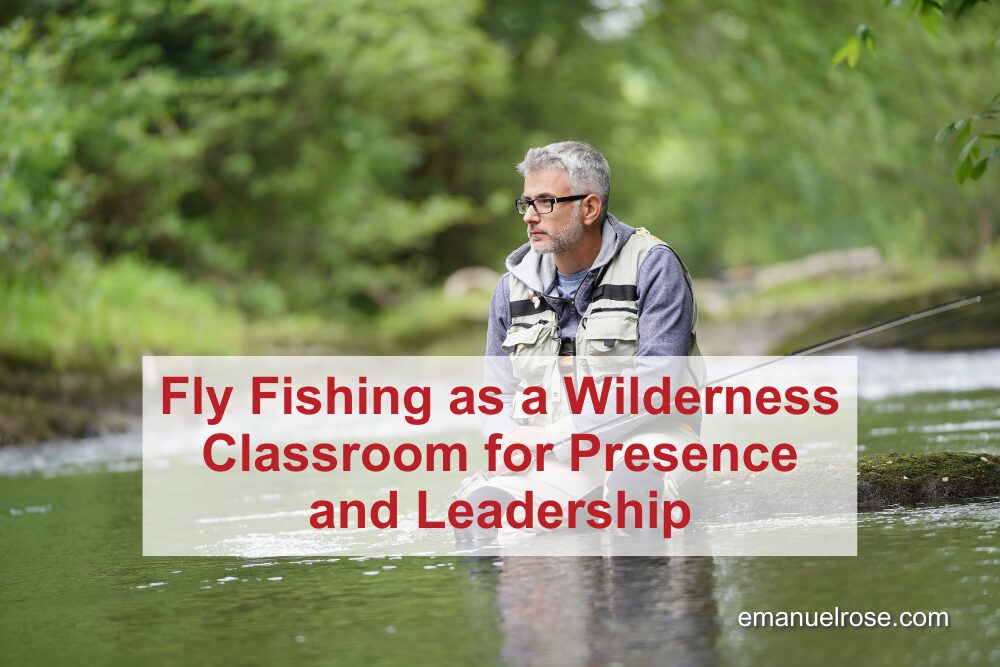
Standing in cold river water with a fly rod in hand is a direct lesson in attention, humility, and relationship with living systems. The way a trout responds to current, temperature, and imitation can reshape how we lead, learn, and live back home.
- Schedule recurring “river time” or trail time without devices as non‑negotiable appointments to support a nervous system reset.
- Approach new skills at work like a beginner fly angler: master one simple move first, then layer complexity.
- Treat pressure, uncertainty, and “low water” seasons in life as signals to rest and recalibrate instead of forcing more output.
- Practice reading “currents” in conversations and meetings the way you would read seams and eddies on a river.
- Redefine success from sheer volume (numbers of fish, tasks, or deals) to the depth and quality of the experience.
- Bring kids, friends, or colleagues into wild spaces so shared encounters with wildlife become anchors for deeper connection.
- Honor your own “drag-free drift” each day by creating at least one block of time where you move at a natural, unforced pace.
The Six-Cast River Loop: A Nature-Based Framework for Growth
Step 1:
Notice the water before you cast. On the Middle Feather, Jay talks about watching flows drop five feet, noticing clarity, and tracking water temperature. In life and business, this is your environmental scan: pause to observe conditions before you act—what’s rising, what’s dropping, and where the real energy is moving.
Step 2:
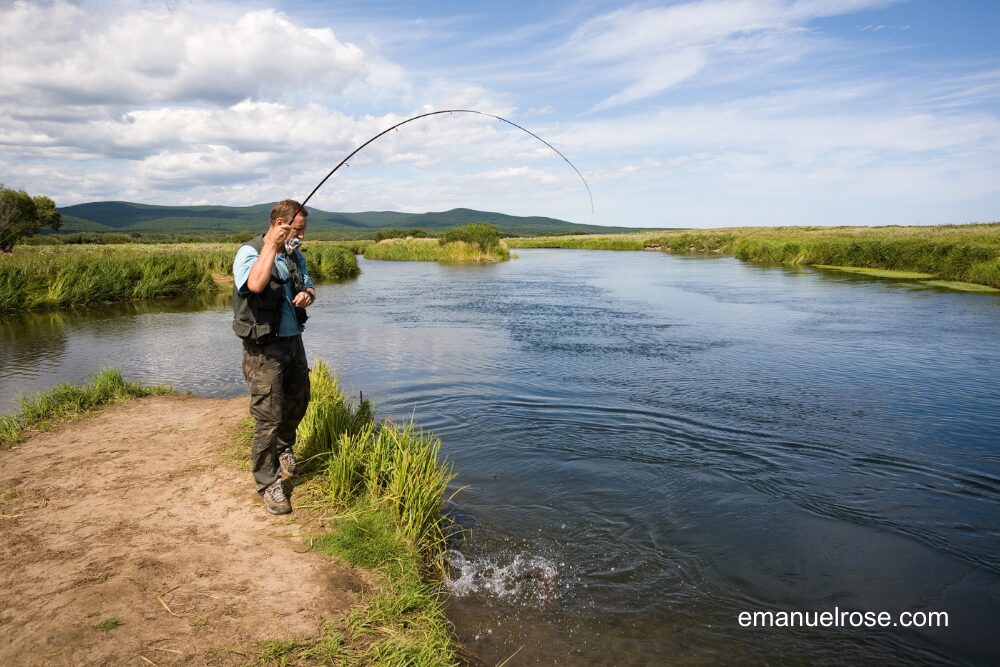
Choose presence over volume. Jay described seasons where the “numbers” weren’t spectacular, yet the quality of fish and the overall experience more than compensated. That is a call to stop chasing metrics alone and start designing days around depth, meaning, and the quality of interactions.
Step 3:
Teach the one cast that matters most right now. With beginners, Jay often starts with a single water‑load cast so they can fish immediately, rather than drowning in theory. When you’re developing people—or yourself—identify the one practical skill that unlocks momentum and build from there.
Step 4:
Respect thresholds and rest cycles. High water temperatures push Jay to shut down guiding, giving fish time to recover. We each have “upper limit” temperatures in our nervous systems and organizations; learning when to step off the river preserves long‑term health, creativity, and resilience.
Step 5:
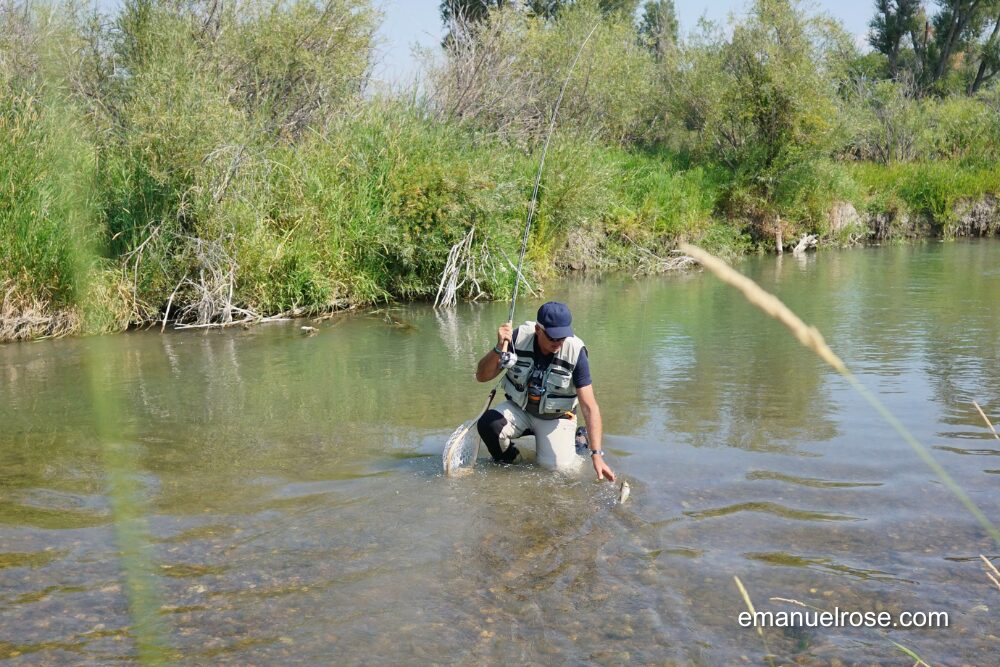
Align your drift with the current. The drag-free drift—moving your fly at the exact speed of the surface current—is the difference between getting looks and getting fed. Leadership and relationships work the same way: when your pace matches the reality in front of you, resistance drops and possibilities open.
Step 6:
Let the whole river count as the win. Jay weaves wildlife tracks, bald eagles, otters, public lands, and client breakthroughs into a single definition of success. The practice is to let your version of “river time” integrate work, family, wild spaces, and service so growth is not a separate compartment, but a living watershed you inhabit every day.
From River Lessons to Office Currents
River Principle | On-the-Water Practice | Daily Life Translation | Leadership Takeaway |
|---|---|---|---|
Read the water first | Observe flow, clarity, and hatches before tying on a fly or stepping in. | Pause before reacting; scan emotional and logistical conditions in any situation. | Decisions improve when you understand the context rather than charging ahead on assumptions. |
Drag-free drift | Keep the dry fly moving at the same speed as the surface current for a natural presentation. | Operate at a humane pace that matches your actual capacity and the team’s reality. | Alignment of timing and pacing builds trust and leads to better outcomes than relentless pushing. |
Know when to give the river a rest. | Stop fishing when water temps climb into the upper sixties and low seventies. | Recognize burnout signals and create genuine downtime, not just shorter to‑do lists. | Long‑term performance depends on protecting recovery windows, not maximizing every hour. |
Questions from the Riverbank: Integrating Wild Wisdom
How can fly fishing reframe the way I think about productivity?
On the Feather, Jay distinguishes between high numbers of fish and high-quality experience. Letting the river set that standard challenges our obsession with volume and speed. When you start measuring your days by depth of presence and learning—rather than counts alone—you build a more sustainable and satisfying form of productivity.
What does a “beginner’s day” on the water teach about learning anything new?
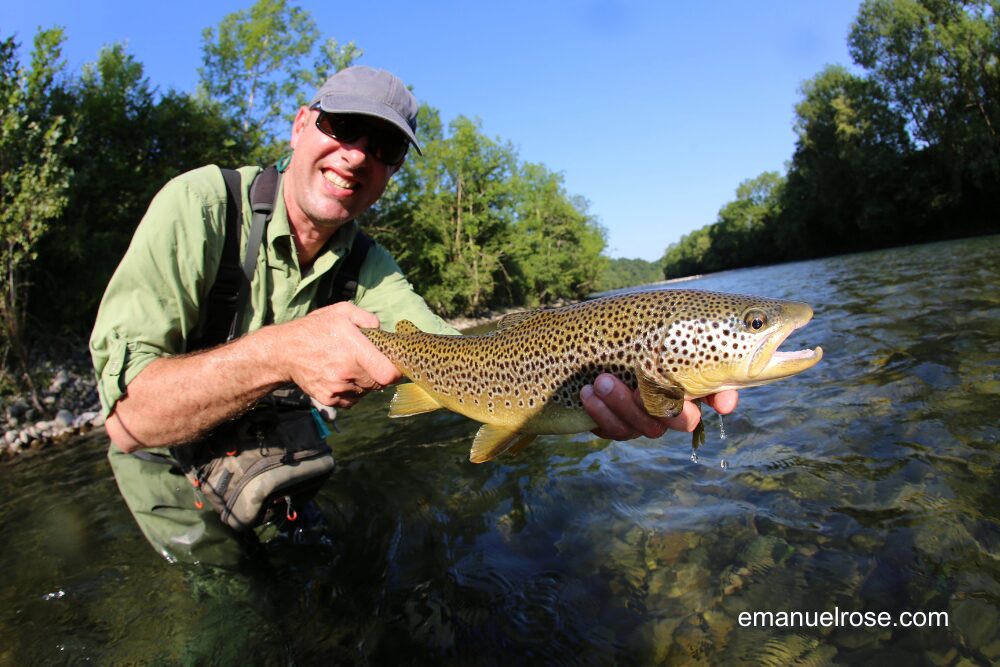
Jay’s approach—one cast, one drift, one clear focus—shows that real learning is incremental and embodied. You don’t have to master every technique on day one; you just need one repeatable move and a safe place to practice. Bringing that mindset to new roles, tools, or markets lowers anxiety and accelerates true competence.
Why is time on public land so grounding?
Wading through a national forest corridor, you’re reminded that this access is shared, finite, and bigger than any single agenda. That perspective dissolves some of the ego that drives stress and short‑term thinking. When you consciously honor public spaces, you reconnect with a sense of belonging and responsibility that can guide clearer choices.
What can a trout’s “pea‑sized brain” teach us about overthinking?
Jay points out that fish are not “smart” in a human sense, yet they are exquisitely tuned to their environment. They respond cleanly to what looks and feels right. We, with our large brains, often add layers of overcomplication; returning to the river is a reminder to simplify, trust what is directly in front of us, and act from alignment rather than anxiety.
How do wildlife encounters shift personal priorities?
Seeing fresh mountain lion and bear tracks intersecting in the sand, or watching otters and bald eagles work the river, interrupts the narrow tunnel of daily concerns. Those encounters are visceral proof that we live inside an intricate web, not at the center. Letting that awareness sink in tends to soften harsh edges, recalibrate priorities, and renew a sense of stewardship.
Author: Emanuel Rose, Senior Marketing Executive, Strategic eMarketing
Contact: https://www.linkedin.com/in/b2b-leadgeneration/
Last updated:
- The Seven Principles of the Magic Rock by Emanuel Rose (referenced resource for nature-centric personal growth).
- Field insights from Jay Clark’s two decades of guiding on the Truckee River and Middle Feather River.
- On-the-river observation of aquatic insect hatches (blue-winged olives, isonychia, stoneflies) as a living systems lens.
- Applied practice of drag-free drift as a metaphor for aligned action and presence.
- Experiential lessons from public land access in the Sierra Nevada and shared use of wildlands.
About Strategic eMarketing: Strategic eMarketing helps values-driven organizations translate their story, mission, and market differentiation into clear messaging, campaigns, and content that perform.
https://strategicemarketing.com/about
https://www.linkedin.com/company/strategic-emarketing
https://podcasts.apple.com/us/podcast/nature-bound-with-emanuel-rose/id1741980361
https://open.spotify.com/show/6v7x8XOUfUQDdAlloCoo0h
https://www.youtube.com/channel/UC7Ax4n0g6_Y4SJRlC470wEg
Guest Spotlight
Guest: Jay Clark
LinkedIn: NA
Company: Jay Clark Fly Fishing
Email: jay@jayclarkflyfishing.com
Episode: Nature Bound Podcast interview recorded on the Feather River with Jay Clark, veteran Truckee River and Middle Feather River fly fishing guide.
Jay Clark Fly Fishing is owned and operated by veteran Truckee River and Middle Feather River fly fishing guide, Jay Clark. An avid outdoorsman, Jay has spent his life in and around the water, learning to fish at an early age. A childhood spent in the Northern Sierra Nevada led Jay to pursue his passion for fly fishing as a hobby, then as a professional guide.
About the Host
Emanuel Rose is an outdoor enthusiast, author of The Seven Principles of the Magic Rock, and a senior marketing executive who helps brands root their message in authenticity and nature-based wisdom. Connect with him on LinkedIn: https://www.linkedin.com/in/b2b-leadgeneration/
Riverbanks to Boardrooms: Moving Forward with Wild Clarity
You do not need a full guide day on the Middle Feather to apply these lessons; you can start by carving out a weekly hour outdoors, practicing one simple habit of presence, and watching how your internal “drift” changes. Let the river mindset follow you into your calendar, your meetings, and your family time, so that every environment becomes a place to read the water, respect the thresholds, and move with greater alignment.
Watch the podcast episode featuring Jay Clark: https://youtu.be/og6VPLGRhgM