
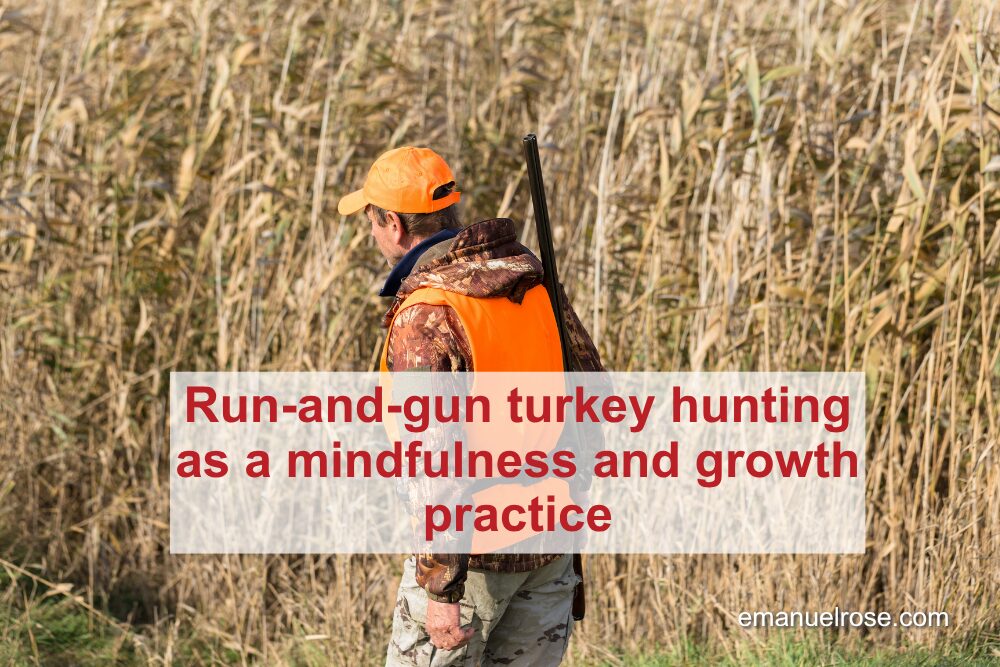
Run-and-gun turkey hunting is not just about tags and tail fans; it is a moving meditation that demands preparation, presence, and respect for wild places. The discipline of training, simplifying gear, and reading the woods offers a practical framework for mental clarity, leadership, and personal resilience.
- Use a seasonal goal (like a turkey hunt) to anchor a multi-month physical and mental training plan.
- Simplify your “everyday carry” in work and life the same way you trim your hunting kit—only what you can comfortably carry for miles.
- Schedule recurring “scouting days” in nature to observe, listen, and notice how conditions actually are, not how you hope they will be.
- Practice stillness by consciously reducing visible movement and noise, just as you do when wary birds are within sight.
- Adopt mentors the way hunters do—people who help you refine your setup so you have enough, but not too much.
- Pair effort with reward: link hard physical days outside to simple rituals like cooking wild food and sharing it with others.
- Create your own “wild turkey, wild trout” style micro-quest that combines two challenging skills into one meaningful day.
The Run-and-Gun Readiness Loop
Step 1:
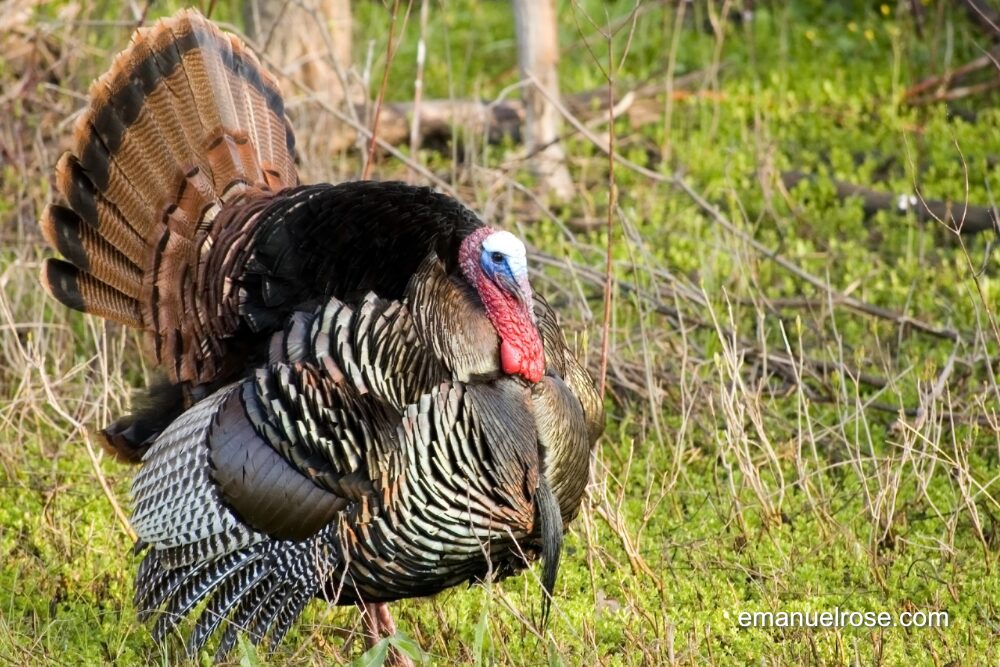
Commit to a season and a specific objective. For me, turkey season is not a vague idea; it is a known date on the calendar that dictates when I start climbing the StairMaster in late November and how I structure my mornings. When your body knows there’s a 25-pound bird to carry out in March, your training has purpose.
Step 2:
Condition yourself before you condition your surroundings. I could spend hours on digital maps, but without lungs and legs ready for logging roads and steep draws, the plan falls apart. Treat your body as the primary piece of gear—everything else is secondary.
Step 3:
Scout for reality, not for fantasies. My usual pattern is to check for bird sign and the simple, practical truth of whether the ground is too muddy to camp three, two, and one weeks before the season. This rhythm of checking conditions builds a habit of making decisions from observation, not assumptions.
Step 4:
Dial in a minimal, trusted kit. From Crispi boots to a Sitka pack, box call, pot call, and a lighter, every item earns its place by function and weight. Carrying gear for miles forces you to ask a clarifying question we rarely ask in business or life: “Do I truly need this, or am I hauling it out of habit?”
Step 5:
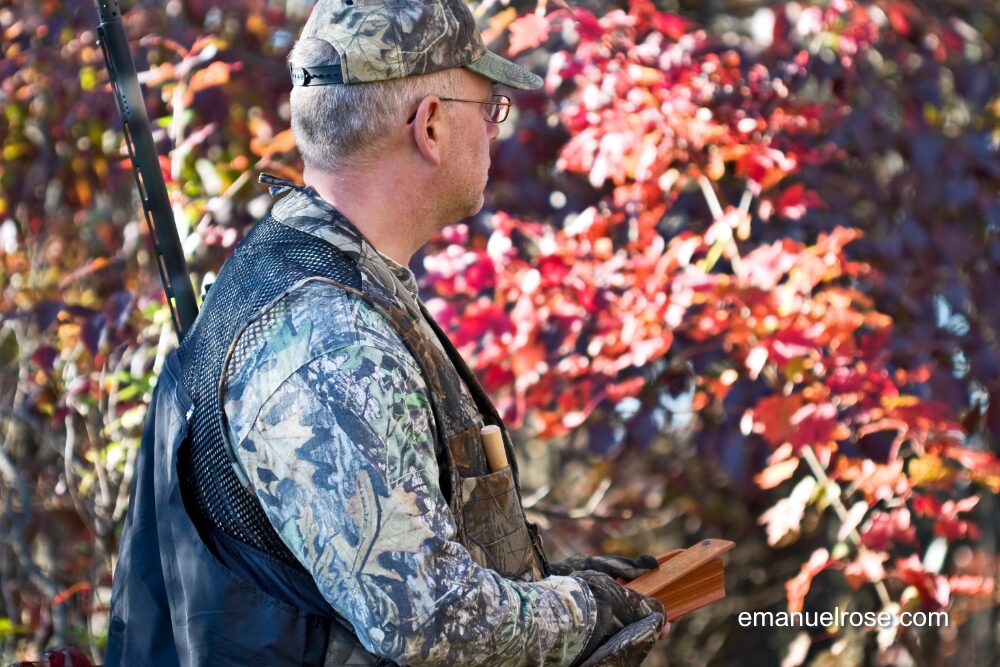
Practice presence when it matters most. Turkeys have phenomenal eyesight, and they will vanish at the slightest unnatural movement, which is why I obsess over wearing face masks and gloves, and minimizing motion when birds close the distance. The same skill—being still, quiet, and deliberate in high-stakes moments—is a transferable discipline.
Step 6:
Close the loop with gratitude and integration. When a hunt comes together, the work ends not at the shot, but at the table when I share wild turkey with friends and family. That act of sharing is where the lessons from solitude, effort, and patience in the woods find their way back into community and daily life.
From Gear Dump to Life Design: A Turkey Hunter’s Comparison Table
Domain | Turkey Hunting Practice | Life & Leadership Parallel | Practical Takeaway |
|---|---|---|---|
Preparation | Months of StairMaster, weights, and planning before opening day. | Showing up to major decisions rested, trained, and clear instead of winging it. | Set a concrete “season” on your calendar and work backward with weekly training blocks. |
Simplicity | Curated kit: boots, pack, calls, shells, binoculars—nothing excess. | Removing extra tools, projects, and commitments that add weight but not value. | Audit your daily tools and commitments; drop what you wouldn’t carry for miles on your back. |
Awareness | Listening for distant gobbles, reading mud, snowlines, and bird sign. | Reading team dynamics, market signals, and your own energy instead of pushing unthinkingly. | Build regular “scouting” pauses into your week to step back and observe before acting. |
Wild Clarity: Questions to Reframe Your Daily Hunt
How can physical preparation outdoors improve my mental resilience at work?
Training for long days in the hills teaches you to stay engaged when your legs burn and your lungs complain. That same pattern—steady effort amid discomfort—translates directly into holding focus through difficult projects and conversations, rather than checking out when things get hard.
What does “run and gun” turkey hunting teach about decision-making?
Moving through timber, stopping to call, and adjusting based on each response forces rapid, low-ego iteration. You make a plan, test it against what the land and birds give you, and change course quickly—an honest model for adaptive leadership and personal course correction.
Why is minimizing movement around sharp-eyed animals a useful mindfulness practice?
Knowing that a small head turn or hand motion can blow an encounter raises your awareness of every gesture. Training yourself to sit still and breathe when you want to fidget builds a calm center you can draw on in meetings, negotiations, and conflict.
How does hunting alone support deeper self-knowledge?
Solo days in the woods remove the social noise and leave you with your thoughts, fears, and patterns. When you cover miles alone, you hear the stories you tell yourself about risk, competence, and patience—and you have the space to rewrite them.
What is the value of creating a personal challenge like “wild turkey and wild trout in one day”?
Combining two demanding skills into one objective forces you to coordinate time, energy, and focus. It turns a random outing into a small rite of passage that reveals how you plan, persevere, and celebrate, which can then inform how you set goals elsewhere in your life.
Author: Emanuel Rose, Senior Marketing Executive, Strategic eMarketing
Contact: https://www.linkedin.com/in/b2b-leadgeneration/
Last updated:
- Rose, Emanuel. The Seven Principles of the Magic Rock, available at emmanuelrose.com and Amazon.
- Field practice from run-and-gun turkey hunting with box calls, pot calls, and mouth calls in California uplands.
- Mentorship and practical turkey hunting systems learned from Mark Voglio and Jim Clark.
- Observation-based planning routines were developed while scouting at varying elevations and ground conditions.
- Nature Bound Podcast episode segment on turkey hunting preparation, gear discipline, and solo time outdoors.
About Strategic eMarketing: Strategic eMarketing helps B2B organizations align brand, demand generation, and AI-enabled marketing into focused systems that drive sustainable, measurable growth for leadership teams and founders.
https://strategicemarketing.com/about
https://www.linkedin.com/company/strategic-emarketing
https://podcasts.apple.com/us/podcast/nature-bound-with-emanuel-rose/id1741980361
https://open.spotify.com/show/6v7x8XOUfUQDdAlloCoo0h
https://www.youtube.com/channel/UC7Ax4n0g6_Y4SJRlC470wEg
About the Host
Emanuel Rose is an outdoor enthusiast, author of The Seven Principles of the Magic Rock, and a senior marketing executive who blends wilderness wisdom with strategic thinking for founders and leadership teams. Connect with him on LinkedIn: https://www.linkedin.com/in/b2b-leadgeneration/.
Trailhead to Action: Bringing Turkey Camp Discipline Home
The next meaningful shift will not come from another screen, but from choosing a season, a place, and a simple, demanding objective that gets you outside. Block a day on your calendar, pare your kit down to what you can comfortably carry, and give yourself permission to move, listen, and sit still long enough to hear both the woods and your own thoughts.
Then bring one lesson back—a new ritual of preparation, a trimmed-down work setup, or a renewed commitment to sharing good food with good people—and let that small change be the first track of a longer, wilder path.
Watch the podcast episode: https://youtu.be/JoGfIsmuiR8