
Winter steelhead fly fishing is less about catching fish and more about training your attention, humility, and persistence in a cold, indifferent river. When you learn to love the process — reading water, refining your cast, and sharing discomfort with good people — you build the same muscles you need for clear leadership and sustainable personal growth.
- Block specific trips on your calendar now so time outside becomes a non‑negotiable part of your year, not an afterthought.
- Treat any challenging outdoor pursuit as a practice in process over outcome: measure success by how fully you show up, not just by “catching a fish.”
- Shift your mindset from “lone wolf” to “mentor and student”: find experienced people to learn from and bring newcomers and kids into your own trips.
- Use gear complexity (like a steelhead setup) as a mindfulness drill: focus on one variable at a time instead of trying to master everything at once.
- Welcome discomfort — cold, rain, early mornings — as a crucible for resilience; it’s the tax you pay for rare, electric moments of aliveness.
- When you’re outside, deliberately disconnect from obligations and screens so your nervous system can reset, and your attention can deepen.
- Anchor your year around a few “dirt time” experiences with family, friends, or youth to keep your priorities aligned with what really matters.
The Winter Steelhead Practice Loop
Step 1:
Choose a challenge that is inherently difficult and humbling. Winter steelhead fit that bill: cold water, fish that aren’t really feeding, and long stretches of “cast, step, cast, step” without a touch. When you willingly walk into that kind of odds, you’re consciously trading guaranteed success for guaranteed learning.
Step 2:
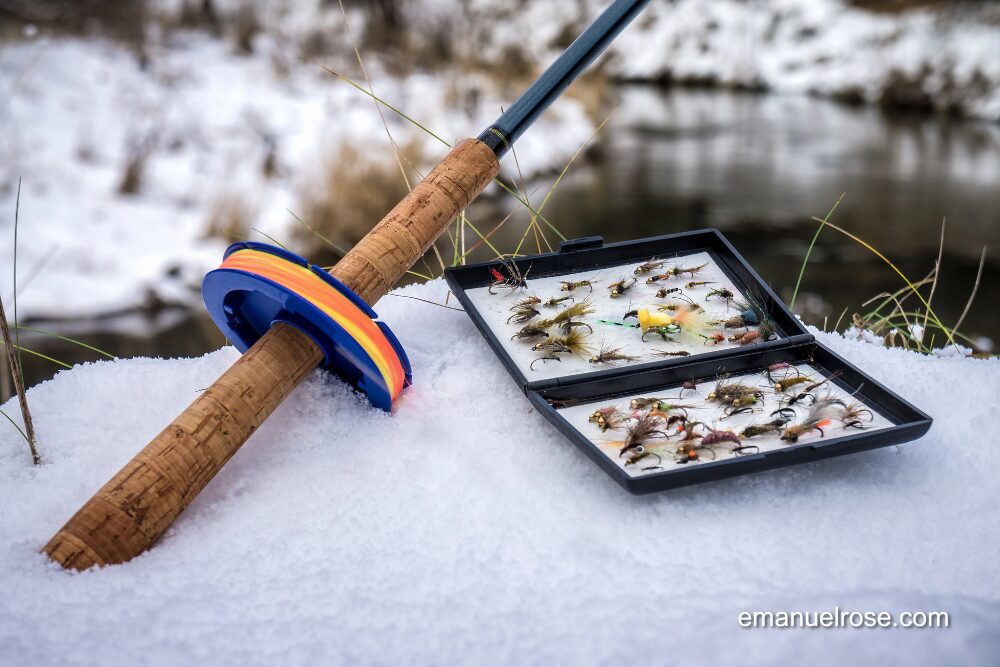
Immerse yourself in the craft, not just the outcome. Jim’s attention to flies, tips, sink rates, rod length, and casting styles isn’t gear obsession; it’s devotion to doing one thing well. That same devotion, applied to your work or relationships, shifts you from dabbling to real mastery.
Step 3:
Read the water before you move your feet. On a steelhead river, you’re constantly asking, “Where would a fish hold in this flow, color, and temperature?” In life, the parallel is pausing to understand context — people, timing, and conditions — before you make big moves.
Step 4:
Adjust one variable at a time and watch what changes. On the river, that might mean swapping a sink tip, lengthening your leader, or changing fly color instead of overhauling everything at once. In your own growth, experiment with focused tweaks — a new morning routine, a weekly outdoor block, a different way of listening — and observe the impact.
Step 5:
Accept that most hours feel ordinary, so rare moments can feel electric. You can cast for days before a steelhead slams the fly and turns the river into a live wire. That same ratio holds with meaningful breakthroughs — most of your time is quiet repetition that makes those flashes of progress possible.
Step 6:
Share the river and pass it on. Winter trips are about friends, shared fires, and bringing kids or newcomers into the experience, even if they never touch a rod. Whenever you invite someone else into “dirt time,” you multiply the impact of your own practice and keep the tradition alive.
Steelhead Lessons vs Everyday Living
River Element | On the Winter Steelhead Run | In Daily Life & Leadership | Practical Application |
|---|---|---|---|
Process vs. Outcome | Most days are cast after cast with no fish; the real reward is in reading water, refining the swing, and being fully present. | Results are uneven and often delayed; the quality of your habits and attention matters more than quick wins. | Define success each day by what you practiced or learned, not just by metrics or immediate wins. |
Conditions & Timing | Water temperature, clarity, and flow dictate when fish move and when they’ll even consider a fly. | Market cycles, team energy, and family seasons all influence how far your effort will go. | Before pushing harder, ask, “Are the conditions right?” If not, adjust timing or approach instead of just adding force. |
Mentors & Companions | Guides, teachers, and seasoned anglers shorten the learning curve and turn hard trips into stories. | Having the right people around you accelerates growth, especially through uncomfortable phases. | Seek out one mentor to learn from and one younger person or peer to bring along on your next outdoor or professional project. |
Questions to Take to the River (and Back Home)
How do I handle long stretches of effort without visible results?
Winter steelhead fishing tends to have long gaps between wins. When you keep casting anyway, you train yourself to separate your identity from short-term outcomes and lean into discipline. That emotional muscle is the same one you need when a project, relationship, or business hits a slow, cold stretch.
What does “reading the water” look like in my own life?
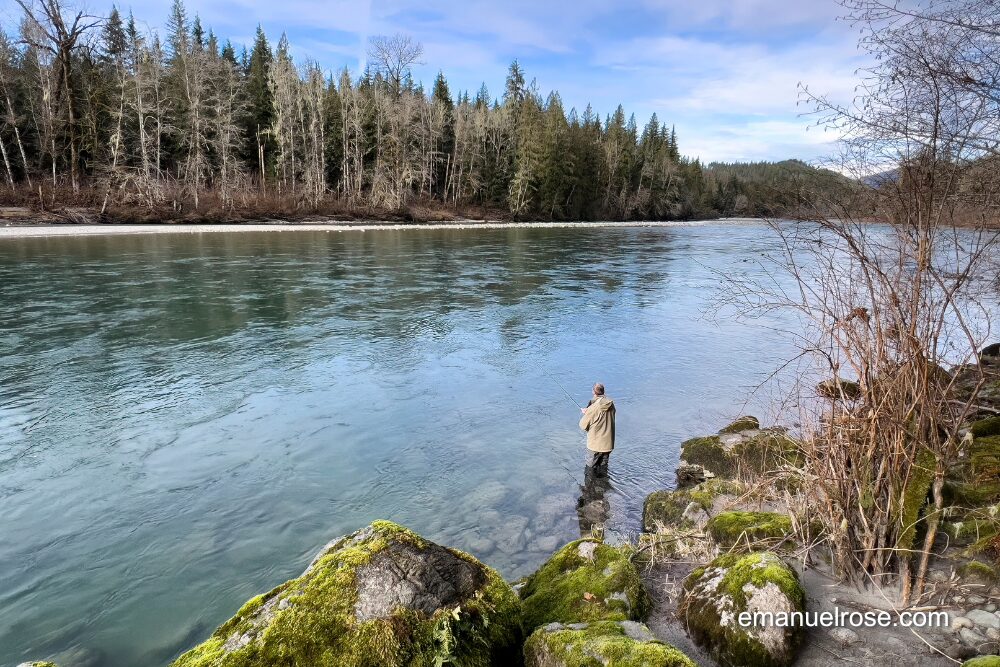
On the river, you’re searching for soft seams, depth changes, and travel lanes. Off the river, “reading the water” is paying attention to subtle cues in people, markets, and your own body before you commit energy. That awareness keeps you from thrashing around where nothing is holding.
Where am I avoiding discomfort that could actually help me grow?
Steelhead trips involve cold fingers, rain, and gear that takes real practice to manage, yet those conditions create space for rare connection and clarity. In your own life, notice where you default to comfort — skipping time outside, avoiding learning curves, dodging hard conversations — and choose one place to lean into the “rain” instead.
Who are my wilderness mentors, and who am I mentoring?
Jim learned from guides and experienced casters, then kept passing that knowledge along on trips with friends. You can do the same by naming the people who sharpen you and intentionally inviting a younger angler, a colleague, or a neighbor kid to your next outing.
How can I create more “dirt time” to reset my nervous system?
When you step away from screens and obligations and stand in a river or walk a trail, your mind settles into a slower, more natural rhythm. Put 5–6 outings on your calendar now — even simple day hikes or local river walks — and protect them the way you’d protect a key client meeting.
Author: Emanuel Rose, Senior Marketing Executive, Strategic eMarketing
Contact: https://www.linkedin.com/in/b2b-leadgeneration/
Last updated:
- On‑river instruction and guided spay casting as a core learning tool for new steelhead anglers.
- Deck Hogan’s writing and teaching on steelhead flies and the American spey casting style.
- Simon Gawesworth’s instruction represents a British approach to two‑handed casting.
- Articulated leech and marabou‑based winter steelhead flies versus lighter summer “hair wing” patterns.
- The Seven Principles of the Magic Rock, by Emanuel Rose.
About Strategic eMarketing: Strategic eMarketing helps executives and organizations clarify their message, align marketing with their values, and build sustainable lead-generation systems that support long-term growth.
https://strategicemarketing.com/about
https://www.linkedin.com/company/strategic-remarketing
https://podcasts.apple.com/us/podcast/nature-bound-with-emanuel-rose/id1741980361
https://open.spotify.com/show/6v7x8XOUfUQDdAlloCoo0h
https://www.youtube.com/channel/UC7Ax4n0g6_Y4SJRlC470wEg
Guest Spotlight
Guest: Jim Clark – Winter steelhead angler, fly tier, and long-time fishing partner on Oregon’s North Umpqua River.
LinkedIn: https://www.linkedin.com/in/jim-clark-8315a6b/
Episode: Nature Bound – Winter Steelhead on the North Umpqua with Jim Clark
About the Host
Emanuel Rose is an outdoor enthusiast, fly fisherman, and author of “The Seven Principles of the Magic Rock,” as well as a senior marketing executive at Strategic eMarketing. He helps leaders integrate time in nature with clear-headed strategy so they can build businesses and lives that feel aligned with their deeper purpose. Connect with him on LinkedIn: https://www.linkedin.com/in/b2b-leadgeneration/
Stepping Into the Current: Your Next Cast
Take out your calendar and choose 5–6 specific dates for real-time outside — on a river, in the woods, or on a nearby trail — and invite at least one other person to join you. When you’re out there, leave the phone in your pack, pay attention to “reading the water” around you, and let the discipline of presence in the wilderness start to reshape how you show up in every other part of your life.
Watch the podcast episode featuring Jim Clark: https://youtu.be/FnpesKCqgzQ